Picture a group of student teachers sitting down to plan an art project for a group of young children. They have ideas, a curriculum to follow, and not much time. Beside them, helping shape each plan, is Elina.
That was the everyday reality in a course at Häme University of Applied Sciences. Students training to become early childhood educators used AI in education as part of their studies. The course was called Art-Based Methods and Media Education. The students planned real projects for groups of children, and they worked through those plans with Elina.
I want to share what happened, because it points to something bigger. Future early educators will meet AI in their working life. The real question is where they should learn to use it well. My answer is simple. During their studies, with a tool built for their field. Here is what that looked like in practice, and what it suggests for any program preparing the next generation of educators.
Why AI in Education Matters for Future Educators
AI is already part of early childhood education work. It shows up in planning, in documentation, and in the small daily decisions that fill an educator’s day. Students who meet these tools during their training start their careers a step ahead.
There is a practical reason to teach this early. When you learn a tool while you study, you build confidence with it before a full workload arrives. You also learn to question it. You see where it helps and where your own judgment has to lead.
This matters more in early education than in many fields. The work is relational and pedagogical. A tool has to respect that. So the aim was never to hand students any AI. It was to show them how AI fits into thoughtful, child-centered practice.
Inside the Course at HAMK
Our work with HAMK started with a proper orientation. Both students and teachers needed a clear picture of what Elina is and what it does. So before anyone began, we ran a training session.
In that session we introduced the features of the service. We talked about how AI and digital tools can support everyday life in both studies and work. We also talked about where the technology is heading, and what that means for early childhood education specifically.
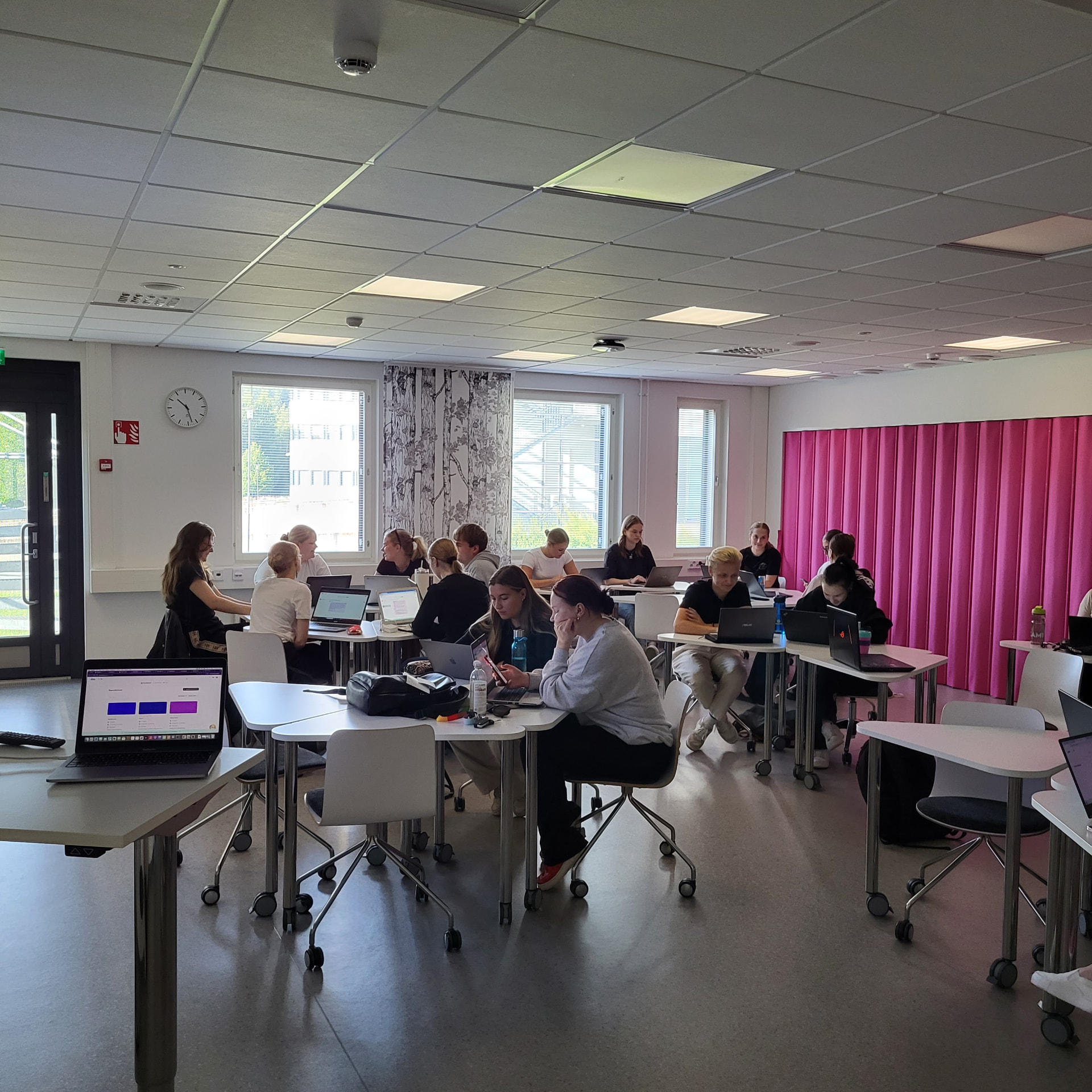
Then we got practical. We looked at how Elina supports the day-to-day life of a daycare center. We showed how students could use it in their own course projects. By the end, students had a hands-on sense of how Elina helps with planning, evaluation, and daily work. That understanding serves them now, and it will serve them in their careers.
What Students Used AI For
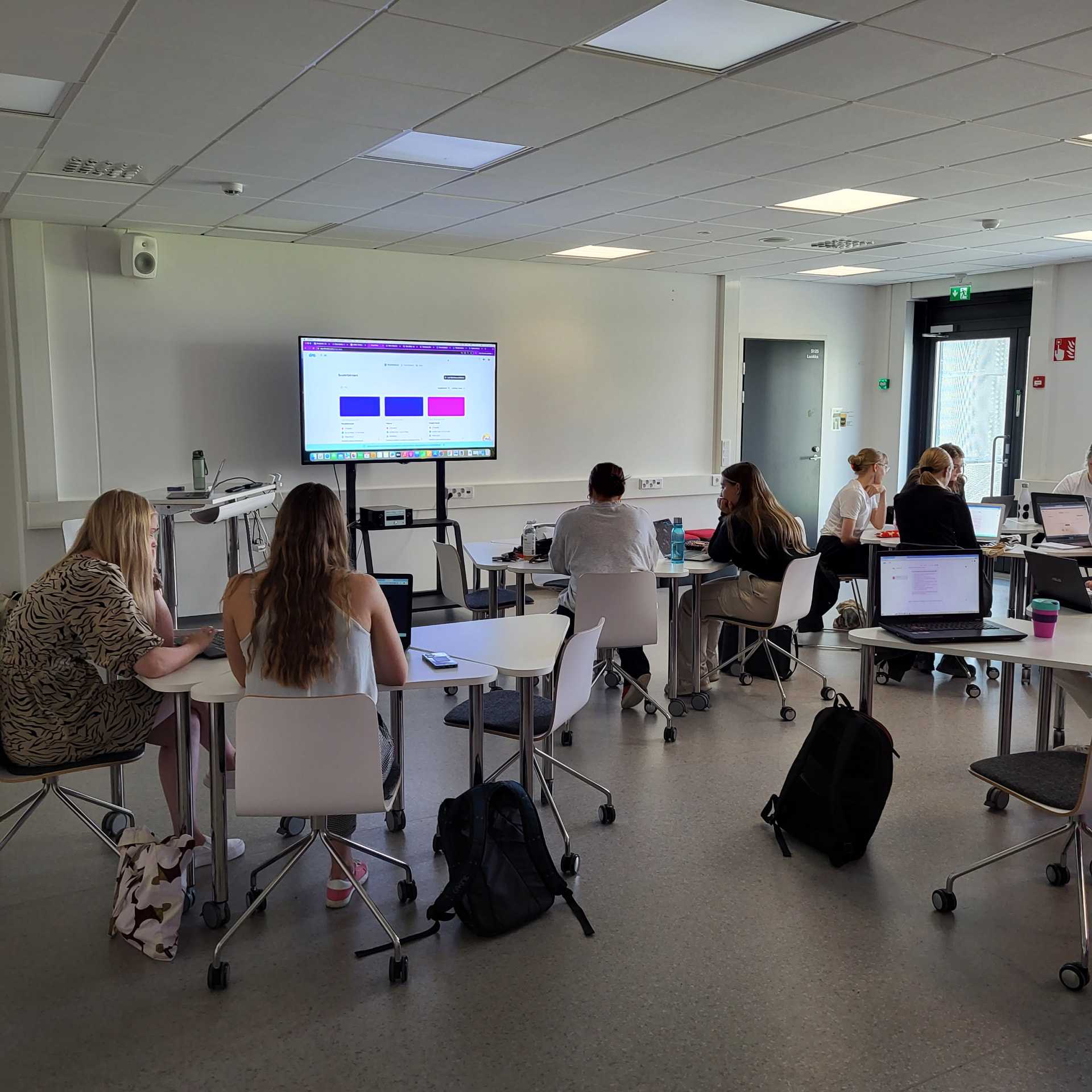
Students used Elina actively throughout the course. Over the weeks, the service helped answer more than one hundred questions.
Most of that use came down to two things: planning and evaluating their projects. With Elina, students built several different activity plans. According to their feedback, the biggest help was making the planning process smoother. Elina also helped them keep their projects educationally justified and child-centered.
“Elina has been an excellent tool, especially for clarifying concepts. Our questions related to media education and organizing support in early childhood education received clear and concise answers, which significantly helped students in their work. For activity plans related to the theme of sustainable development, Elina gave good ideas, although the plans still needed to be edited by the students themselves.”
That last line matters. Elina gave students a strong starting point. The thinking stayed theirs.
Building Professional Confidence for Working Life
Here is what I find most valuable. The course did more than teach a tool. It built confidence.
Students learned to bring a real question to AI, read the answer critically, and shape it into a plan they could stand behind. That is a professional development skill. It carries straight into working life in a daycare or preschool.
A second piece of feedback captured why the tool fit the setting so well:
“Working with Elina has been really easy! Answers grounded in the Finnish National Core Curriculum for Early Childhood Education and Care have been especially useful for students, and the chat feature has proven to be invaluable for quickly resolving everyday questions.”
This is the part general AI cannot match. Answers were grounded in the actual national core curriculum for ECEC. Students were not translating generic advice into their field. The guidance already spoke their professional language.
How Elina Fits
Most AI tools are built for everyone, which means they are built for no one in particular. Elina is different. It is built for early childhood education, and it rests on the pedagogy that field runs on.
That is why it worked in a training setting. Students in professional and vocational training need tools that reflect real practice, not a watered-down version of it. When the answers respect the curriculum and the age group, students can trust what they are learning. They plan faster, and they plan better.
For a program weighing whether to bring AI into early educator training, that is the point. The tool has to know the field. Elina does.
Conclusion
This one course showed something useful. AI belongs in early educator training when it is built on real pedagogy. Students at HAMK used Elina to plan and evaluate projects, answered more than a hundred questions along the way, and left with skills they will use in their careers.
The lesson is not that AI replaces the educator. It is that the right AI, learned early, makes a stronger educator. It saves time on planning. It keeps the work child-centered. And it builds professional confidence before day one on the job.
If you are shaping how future educators learn, Elina is worth a look. See what Elina could do in your program. Get in touch at taina@elinaedu.com or +358 40 536 1834.
See what Elina could do in your program.
Try Elina